Loading…
arrow_back View All Dates
Saturday, October 10
 

7:30am MDT

Light Breakfast Buffet Open
Saturday October 10, 2026 7:30am - 8:00am MDT

Saturday October 10, 2026 7:30am - 8:00am MDT

8:00am MDT

Pain Doesn't Wait: Urgent Care Physical Therapy as Primary Care PT
Saturday October 10, 2026 8:00am - 9:00am MDT
Urgent care is a well-established entry point into primary care for time-sensitive conditions, yet physical therapy remains underutilized in this role for patients with acute musculoskeletal pain -- one of the most common drivers for patients to seek care. This session introduces an emerging solution: Urgent Care Physical Therapy as a primary care access model for pain. Drawing from military research, private practice pioneers, and rural scale strategies, presenters demonstrate how stepping into a familiar access point for patients -- but a new space for physical therapy -- positions PTs to lead as primary care providers for pain, capture new patient populations, improve outcomes, and reduce unnecessary downstream care.Objectives
  • Describe urgent care physical therapy as a primary care PT access model for acute musculoskeletal pain and movement dysfunction
  • Compare published outcomes from a direct-access military acute spine clinic with private practice urgent care PT implementation strategies
  • Identify operational, clinical, and systems-level components required to launch or pilot an urgent care PT model
  • Develop an initial implementation plan for an urgent care PT pathway in their own practice setting

Speakers
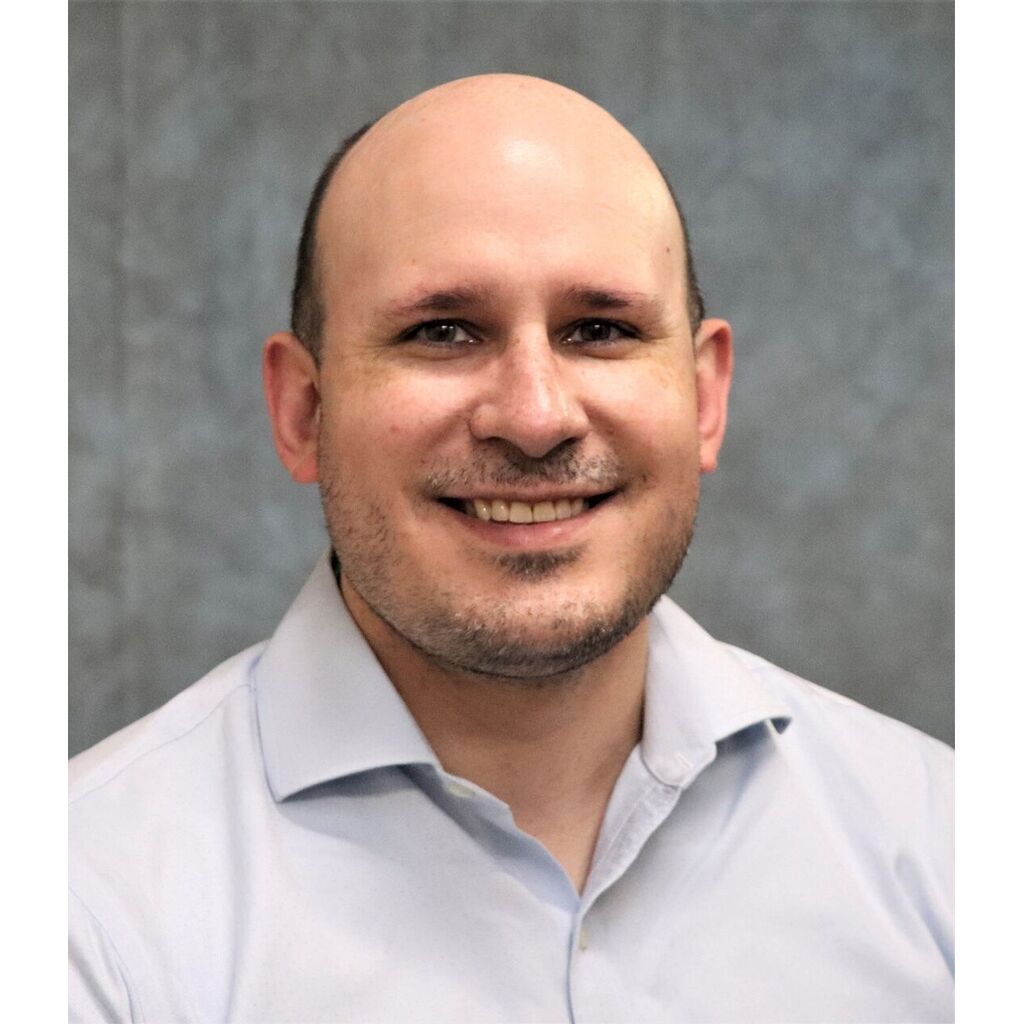
avatar for Sam Schmidt, PT, MPT, NCPI

Sam Schmidt, PT, MPT, NCPI

Sam Schmidt, PT, MPT, NCPI is a physical therapist, business owner, educator, and healthcare advocate with over 20 years of experience advancing innovative care models at the intersection of clinical practice, business leadership, and public policy. She is co-owner of Alpine Physical... Read More →
Saturday October 10, 2026 8:00am - 9:00am MDT

8:00am MDT

Primary Care PT - Building Health & Wellness in the Working Population
Saturday October 10, 2026 8:00am - 9:00am MDT
Drawing on the clinical expertise and problem‑solving skills of physical therapists, this session outlines how recent policy changes in Montana create expanded opportunities for both cash‑based services and more efficient rehabilitation within the workers' compensation system. Attendees will learn how to leverage their full scope of practice to deliver timely, high‑value care, reduce administrative delays, and support faster recovery for injured workers. The session highlights practical strategies for integrating cash‑based offerings, optimizing care pathways under work comp, and strengthening PT‑led solutions that benefit workers, employers, and the broader healthcare system.

Learning Objectives: 
1. Define the value of primary care physical therapy in workplace health
2. Examine the 2025 Montana legislative update
3. Connect policy to practical impact
4. Demonstrate how to construct and use a functional job description, culminating in a practical exercise to solidify skills.
5. Equip attendees with practical strategies for integrating PT‑led primary care in the work setting.
Speakers
avatar for Lorena Pettet Payne, PT, MPA, OCS

Lorena Pettet Payne, PT, MPA, OCS

Lorena has practiced physical therapy since 1983, with extensive experience across work sites, clinical settings, higher education, and policy advocacy. Her career includes decades of advancing safe, evidence‑based care for workers and championing legislative and regulatory improvements... Read More →
Saturday October 10, 2026 8:00am - 9:00am MDT

9:00am MDT

Medical Approach to Pediatric Preparticipation Sports Physicals (Lab included)
Saturday October 10, 2026 9:00am - 11:15am MDT
This session provides an evidence-informed, clinician-focused overview of how physicians approach the preparticipation physical evaluation (PPE) in pediatric and adolescent athletes. Emphasis is placed on risk stratification, medical clearance decision-making, and identification of conditions that predispose to injury or sudden cardiac events.
Learning Objectives: 
1. Review the common components of Pediatric Sports Preparticipation Paperwork.
2. Describe the components of the Preparticipation Physical Evaluation.
3. Learn standard cardiac auscultation and how findings affect preparticipation management.
4. Identify key red flags in pediatric athletes (e.g., syncope, cardiac history, concussion, overuse injuries, disordered eating) that warrant further medical evaluation or restriction from sport.
5. Interpret how clearance decisions are made, including full clearance, conditional participation, or disqualification.

Speakers
avatar for James Denisar-Green, M.D. Ph.D.

James Denisar-Green, M.D. Ph.D.

Dr. James Denisar-Green is a faculty family physician with the Montana Family Medicine Residency in Billings, Montana, where he balances clinical practice, resident education, and administrative leadership. His clinical interests include rural medicine, preventive care, obstetrics... Read More →
Saturday October 10, 2026 9:00am - 11:15am MDT

10:00am MDT

BREAK
Saturday October 10, 2026 10:00am - 10:15am MDT

Saturday October 10, 2026 10:00am - 10:15am MDT

11:15am MDT

BREAK AND LUNCH SERVICE BEGINS
Saturday October 10, 2026 11:15am - 11:30am MDT

Saturday October 10, 2026 11:15am - 11:30am MDT

11:30am MDT

APTA Montana Member Meeting and Luncheon
Saturday October 10, 2026 11:30am - 12:30pm MDT

Saturday October 10, 2026 11:30am - 12:30pm MDT

12:40pm MDT

Musculoskeletal Ultrasound in Physical Therapy
Saturday October 10, 2026 12:40pm - 1:40pm MDT
Introductory session to answer many common questions related to getting started in MSKUS- diagnostic/therapeutic uses of diagnostic ultrasound, cases demonstrating how diagnostic ultrasound can be utilized in physical therapy practice, device options, and training options.

Learning Objectives:
1. Learn several common applications of diagnostic ultrasound in physical therapy practice
2. Know the basics of reading an ultrasound image
3. Learn cost effective options for diagnostic ultrasound equipment
4. Brief overview of available training programs and certifications for physical therapists
5. Gain understanding of the value of diagnostic ultrasound in physical therapy practice
About the Speaker:
Ross is a physical therapist based in Plains Montana where he lives with his wife and son. He has been using diagnostic ultrasound for five years and has been registered in musculoskeletal sonography for over three years. He utilizes diagnostic musculoskeletal ultrasound daily in the clinic for diagnostics, needle guidance, and to monitor treatment effects.

Speakers
avatar for Ross Eckstein, PT, DPT, OCS, RMSK, CSCS

Ross Eckstein, PT, DPT, OCS, RMSK, CSCS

Ross is a physical therapist based in Plains Montana where he lives with his wife and son. He has been using diagnostic ultrasound for five years and has been registered in musculoskeletal sonography for over three years. He utilizes diagnostic musculoskeletal ultrasound daily in... Read More →
Saturday October 10, 2026 12:40pm - 1:40pm MDT

12:40pm MDT

Primary Care Physical Therapy: Building Direct Access Pathways for Pain and Movement Health
Saturday October 10, 2026 12:40pm - 1:40pm MDT
Musculoskeletal pain is one of the most common reasons patients seek care, yet access to timely, appropriate treatment remains inconsistent. As healthcare systems evolve toward value-based and primary caredriven models, physical therapists are uniquely positioned to serve as first-contact providers for pain and movement-related conditions. However, many practices continue to operate within traditional referral-based and episodic care models that limit access and delay intervention.

This session explores the role of physical therapy as a primary care entry point and outlines practical strategies to improve access, reduce unnecessary healthcare utilization, and enhance patient outcomes. Emphasis will be placed on direct access models, early intervention, and integrating physical therapy into broader primary care pathways.

Participants will gain insight into emerging care models, communication strategies for positioning PT as a primary care provider, and operational considerations for implementing direct access services. Real-world examples and case-based discussion will support application across a variety of practice settings, including outpatient clinics, rural health systems, and employer-based care environments.

Learning Objectives:1. Describe the role of physical therapy as a primary care provider for musculoskeletal pain and movement health.
2. Explain how early access to physical therapy impacts patient outcomes and healthcare utilization.
3. Identify barriers to implementing direct access primary care PT models and strategies to address them.
4. Develop practical approaches to improve patient access and integrate PT into primary care pathways.

Speakers
avatar for Ty Barrett

Ty Barrett

Ty Barrett is CEO of Western Rehabilitation Health Network. Western Rehabilitation Health Network is a messenger model IPA network of independent physical therapists, occupational therapists, and speech language pathologists providing rehabilitation services throughout Utah and Idaho... Read More →
Saturday October 10, 2026 12:40pm - 1:40pm MDT

1:40pm MDT

Direct Access and the Dizzy Patient: A Tiered Approach to Differential Diagnosis and Management (Lab included)
Saturday October 10, 2026 1:40pm - 4:00pm MDT
Provides physical therapists with a practical, tiered framework for evaluating and managing the dizzy patient in direct access practice. Through key subjective questions and indicators, special tests, red flag identification, reference resources and a case study attendees will build confidence in bedside screening for emergent conditions, differential diagnosis, and knowing when and how to refer dizzy patients

Learning Objectives:
  • Identify subjective red flags and orange flags in patients presenting with dizziness or vertigo.
  • Recognize clinical indicators of emergent and urgent conditions -- including brainstem and cerebellar pathology, cervical instability, and hemodynamic compromise -- and determine appropriate referral pathways.
  • Apply foundational peripheral vestibular assessment skills including the Dix-Hallpike and supine roll test, and identify patients appropriate for in-clinic management versus specialist referral.
  • Utilize a practical referral decision framework tailored to the rural Montana primary care setting, including telemedicine neurology access, ER criteria, and in-clinic vestibular intervention options.

Speakers
avatar for Katherine Clute-Reinig, PT, DPT

Katherine Clute-Reinig, PT, DPT

Katherine Clute-Reinig, DPT, is a physical therapist who specializes in vestibular rehabilitation and neurorehabilitation in Missoula, Montana. She holds a Certificate of Competency in Vestibular Rehabilitation (CCVR) from 360 Neuro Health and has three years of dedicated clinical... Read More →

avatar for Holly Carlsmith, PT, DPT

Holly Carlsmith, PT, DPT

Physical Therapist, Element Physical Therapy
Holly Carlsmith is a Physical Therapist with specialized expertise in vestibular and balance rehabilitation. She earned her Bachelor of Science in Integrative Physiology from the University of Montana and her Doctor of Physical Therapy from the University of Pittsburgh, graduating... Read More →
Saturday October 10, 2026 1:40pm - 4:00pm MDT

1:40pm MDT

Lower Extremity Vessel Disorders (VTE - DVT/PE and PAD), lab included
Saturday October 10, 2026 1:40pm - 4:00pm MDT
This course will cover two very important clinical disorders of the vascular tree of the lower extremity; Venous Thromboembolism (VTE) which includes Deep Venous Thrombosis and Pulmonary Embolism (DVT/PE) and peripheral arterial disease (PAD). DVT is one of the more common and potentially serious vascular disorders seen in patients who are hospitalized and receiving physical therapy. This course will address the pathophysiological changes that lead to DVT and describe factors that place certain people at high risk for developing DVT and the potential for PE. Differential diagnosis and utilization of reliable and valid clinical scales will be covered. This portion of the course will culminate in a discussion of how physical therapists can make clinical decisions about when to contact another healthcare provider or begin ambulation or implement other interventions in patients who experience an acute episode of DVT or PE.

Peripheral arterial disease (PAD) affects primarily the lower extremity and is the accumulation of fibrous fatty (atherosclerotic) lesions that occlude the lumen of the vessel. With progression of this disorder symptoms of peripheral ischemia may include intermittent claudication, ischemic rest pain, ulceration and possibly amputation. Differential diagnosis utilizing valid and reliable techniques will be covered. This portion of the course will culminate in a demonstration of an ankle/brachial (ABI) test of how physical therapists can make clinical decisions about when to contact another healthcare provider or implement interventions.Upon completion of this course, the participant will:  
  • Explain the pathophysiology of VTE (DVT & PE) and PAD.  
  • List the risk factors for DVT and PAD.  
  • Identify the signs/symptoms of DVT, PE, and PAD.  
  • Explain the usefulness (validity) of clinical tests for determining risk of a DVT/PE and PAD.
  • Explain when it is appropriate to treat these vessel disorders and the efficacy of the treatment.

Speakers
avatar for Steven Tepper, PT, PhD, FAPTA

Steven Tepper, PT, PhD, FAPTA

Dr. Steven Tepper is president of Rehab Essentials Inc, a conduit for post-professional DPT and OTD programs at University of Montana and three hybrid entry-level DPT programs. He earned his BS in physical therapy and a PhD in experimental pathology from the University of Maryland... Read More →
Saturday October 10, 2026 1:40pm - 4:00pm MDT

2:40pm MDT

BREAK
Saturday October 10, 2026 2:40pm - 3:00pm MDT

Saturday October 10, 2026 2:40pm - 3:00pm MDT

4:00pm MDT

Sports Nutrition Strategies for Injury Prevention
Saturday October 10, 2026 4:00pm - 5:00pm MDT
We'll discuss the prevalence of low energy availability among high school and collegiate athletes and how that could be contributing to the rise of soft tissue injuries. We'll differentiate between nutrition for health and nutrition for sport and then review sports nutrition recommendations to fuel exercise and competition along with tips to help encourage athletes to fuel better overall.
The audience will gain a better understanding of sports nutrition recommendations and can better help their patients, themselves, and their children to adequately fuel for sport and decrease risk of injury.
We'll briefly touch on nutrition recommendations appropriate for ACL repair recovery.

Objectives:
  1. Understand the difference between nutrition for health and nutrition for sport.
  2. Understand how low energy availability puts athletes at a higher risk for injury.
  3. Identify which foods properly fuel exercise.
  4. Learn the basic nutrient timing strategies for before, during, and after exercise.
  5. Identify which supplements are appropriate for recovery for ACL repair.

Saturday October 10, 2026 4:00pm - 5:00pm MDT

4:00pm MDT

Primary Care PT: Learning from Amazon to Build Membership-Based Care Models
Saturday October 10, 2026 4:00pm - 5:30pm MDT
TBA
Saturday October 10, 2026 4:00pm - 5:30pm MDT

5:00pm MDT

Eating Disorders: Collaborative Management of a Disease in Hiding
Saturday October 10, 2026 5:00pm - 6:00pm MDT
TBA
Speakers
avatar for Taylor Penwell, M.A.

Taylor Penwell, M.A.

Taylor received her Bachelor of Arts with Departmental Honors from Ohio University in 2019 where she majored in Psychology and minored in Biological Sciences. Taylor worked as the Clinical Research Coordinator for The Renfrew Center and then a Research Coordinator at the University... Read More →
Saturday October 10, 2026 5:00pm - 6:00pm MDT

 
  • Filter By Date
  • Filter By Venue
  • Filter By Type
  • Timezone

Share Modal

Share this link via

Or copy link

Filter sessions
Apply filters to sessions.
Filtered by Date -